
What NDIS Community Participation Can Look Like in Practice
Community participation is an important part of many NDIS participant goals. In practice, it is not about attendance or activity schedules, but about meaningful involvement in everyday environments that support choice, connection, and learning.
Community participation looks different for each person. It can take place in familiar settings, progress at an individual pace, and be shaped by personal interests, comfort levels, and goals.
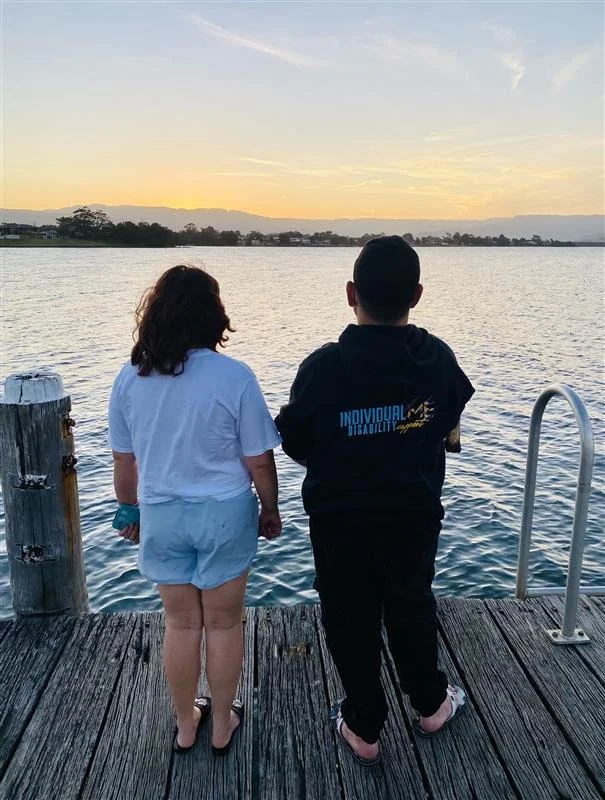
Community participation can take place in everyday environments.
Understanding Community Participation
Community participation refers to opportunities for people with disability to engage with their local community in ways that feel relevant and purposeful to them.
This can include:
Spending time in shared community spaces
Taking part in everyday activities
Building routines outside the home
Developing confidence in social or public settings
Participation does not need to be complex or structured to be meaningful. Often, the most effective experiences are grounded in ordinary, real-world environments.
Participation Through Everyday Activities
In practice, community participation often occurs through activities that many people engage in as part of daily life.
Examples may include:
Visiting local shops or community spaces
Taking part in group or shared activities
Assisting with simple tasks in a community setting
Learning to navigate familiar public environments
These experiences can support familiarity, routine, and confidence over time, particularly when they are consistent and supported appropriately.
Skill Development and Confidence
Community participation can also support the development of practical skills. These skills are often transferable and can support greater independence in daily life.
Depending on individual goals, participation may help develop:
Communication and social interaction
Confidence in shared environments
Understanding routines and expectations
Task completion and responsibility
Support should be flexible and responsive, allowing individuals to engage at their own pace and in ways that feel comfortable.
The Role of Support
Effective community participation is not about pushing individuals beyond their comfort zone. It is about providing the right level of support to enable participation safely and respectfully.
Support may involve:
Encouragement and reassurance
Clear explanations and guidance
Adjusting activities to suit individual needs
Allowing space for choice and autonomy
The focus remains on participation and learning, rather than outcomes or performance.
Why This Matters in an NDIS Context
Community participation is closely linked to many NDIS goals, including social inclusion, skill development, and independence.
When participation is embedded in everyday activities, it can:
Feel more natural and less pressured
Support gradual skill development
Encourage connection with local communities
Respect individual preferences and capacities
Meaningful participation is about creating opportunities, not expectations.
In Practice
Community participation may look very different from one person to another. What matters is that opportunities are:
Relevant to the individual
Flexible and adaptable
Supported appropriately
Grounded in real-world experiences
When approached thoughtfully, community participation can become a natural and valuable part of everyday life.
Want to explore community participation support? Visit our Community & Social Participation page or contact our team to find out what's available in your area. Community and Social Participation